
Why Is Installation So Important?
Why Is Installation So Important?
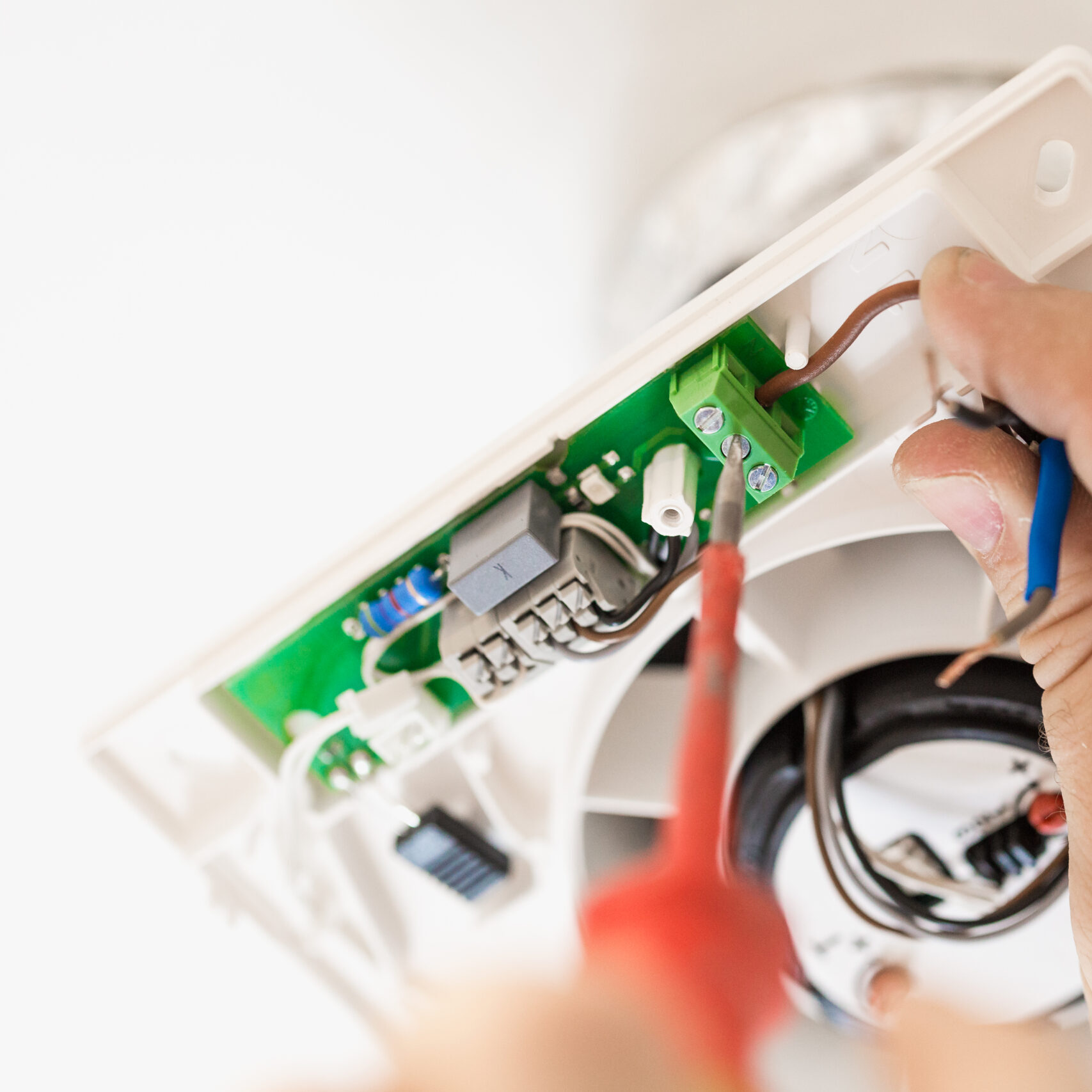
We spend a lot of time talking about what ventilation systems to install, along with flow rates, compliance, efficiency, indoor air quality… the list goes on.
But even the best system in the world won’t perform properly if it’s installed badly.
And trust us… we’ve seen it all. Twisted ducting, fans installed where no human could ever reach them again, and layouts that leave us wondering how the air is meant to move at all. Funny to look at… less funny for the homeowner living with it.
So this month, we’re focusing on the do’s (and definite don’ts) of ventilation installation.
Start With the Right Person
First things first: ventilation systems should always be installed by a competent, qualified person. This is a MUST! Yes you might save a bit of money if someone you know insists they can make a good job of it, but installation is about safety, performance, and compliance. Poor installs can lead to noise issues, reduced airflow, higher running costs, and systems that simply don’t do the job they were designed to do.
Plan Before You Pick Up a Tool
Good installations start long before anything is fixed to a wall or ceiling. The system needs to be properly specified and designed to suit the building, the number of occupants, and the types of rooms involved. Trying to “make it work on site” without a plan is often how problems begin…
Ductwork…
Oh we’ve seen some very poor ductwork examples…
Ducting is one of the most common areas we see issues, and it makes a huge difference to performance. Flexible ducting should be kept to an absolute minimum (ideally under 1.5m) and pulled taut. Sagging, crushed, or overly long flexible runs create resistance and restricts airflow.
For rigid ducting, every joint should be screwed, and sealed properly using a non-hardening sealant, NOT just tape. Ducts should also be supported every metre and insulated where they pass through unheated spaces to prevent condensation and heat loss.
Putting Things in the Right Place
Valve and fan positioning is another big one. Supply air should go into habitable spaces such as living rooms and bedrooms, ideally near external walls or windows, but not directly over sofas or beds where draughts become noticeable.
Extract points should be positioned high up in wet rooms, as close as possible to sources of moisture like showers, baths, and cookers.
And the main fan unit needs to be accessible. Filters need changing, systems need maintaining… so if no one can get to it, it’s only a matter of time before performance drops off.
The Finishing Touches That Matter
Using smooth, rigid ducting helps reduce resistance, noise, and pressure loss. Gentle bends are always better than sharp turns, and anti-vibration mounts can make a big difference to noise transmission.
Every ventilation system should be properly balanced, tested, and issued with a certificate of compliance. And finally, a full handover should be completed so the end user understands how the system works, and how to look after it.
And finally for the fun part…
What NOT to do:
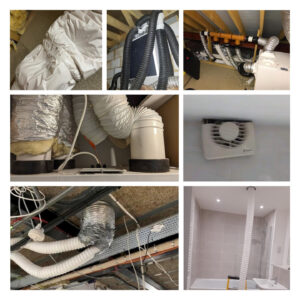
We wish these were staged.
But sadly, they’re real-life examples of ventilation installs that didn’t quite go to plan.
Need help? Email or call the team on 01384 275771

