
Subfloor Ventilation: Why It Matters
Subfloor Ventilation: Why It Matters
When it comes to healthy buildings, what’s happening beneath the surface is just as important as what’s going on inside.
Subfloor spaces are often overlooked, especially in properties with suspended timber floors or enclosed voids. These spaces can quickly become vulnerable to a range of issues such as:
- Moisture build-up rising from the ground and becoming trapped
- Condensation forming on cold surfaces
- Growth of mould and fungi, leading to poor indoor air quality
- Wood rot that compromises the structure of the floor
- Accumulation of harmful gases, such as radon, in certain regions
Over time, these hidden problems can lead to serious structural damage and even impact the health of occupants.
Why natural ventilation isn’t always enough
Traditionally, subfloor ventilation relied on natural airflow through air bricks or vents. However, today houses are being made more and more well insulated and airtight, which doesn’t leave much room for natural ventilation.
As a result of this, enclosed voids may not get the airflow they need to stay healthy. In these cases, mechanical subfloor ventilation can provide a reliable solution by ensuring stale, humid air is extracted effectively.
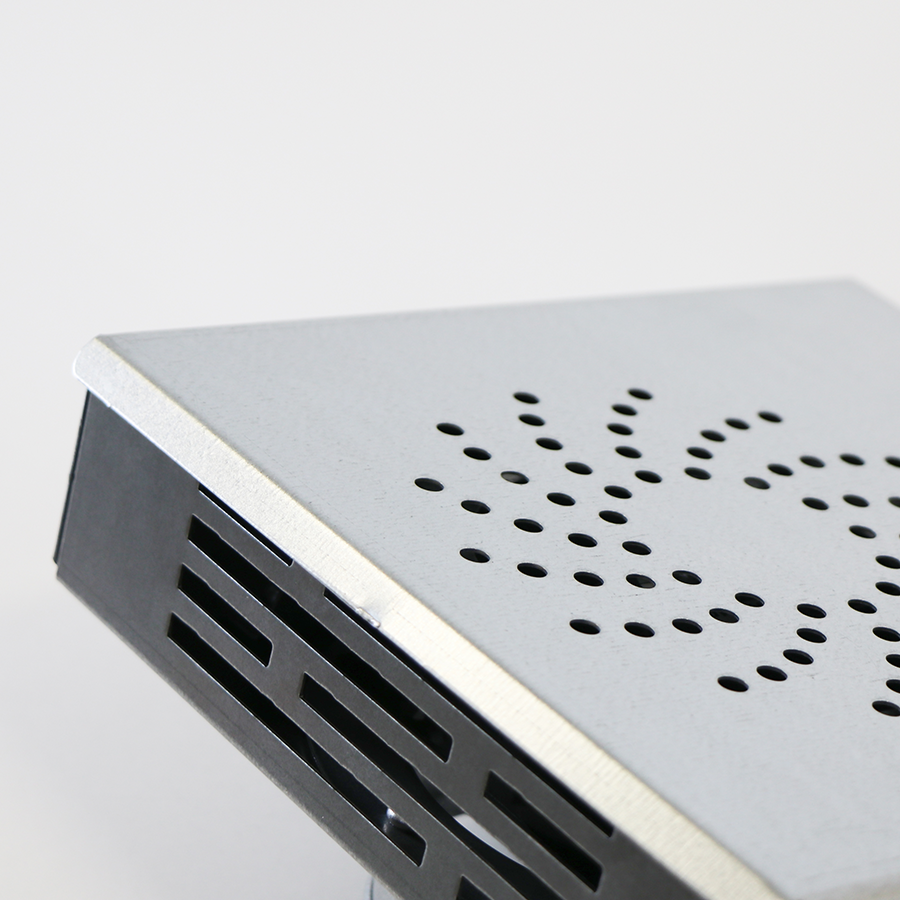
Introducing the updated Mori WMF
Lucky for you, we have just launched our new and improved Mori WMF subfloor ventilation units. Designed with both performance and ease of installation in mind, key features include:
- Up to 17 l/s airflow for effective moisture control
- External mounting to make installation straightforward
- A built-in controller with trickle and boost modes
- Brushless IP55 EC motor, combining efficiency with reliability
It is also fully interchangeable with our previous WMF models to make upgrades seamless.
It’s a low-maintenance, high-performance solution that gives homeowners and installers peace of mind that the spaces below are protected – and the spaces above stay healthier for longer.
By controlling humidity and improving airflow beneath the surface, the Mori WMF helps to:
- Protect structural timbers from decay
- Reduce the risk of mould in the property
- Improve overall indoor air quality
- Extend the life of the building
Don’t ignore the floor!
In conclusion, subfloor ventilation is not something to be overlooked, and can make a big difference in keeping your home healthy. Not only can it help to prevent long-term structural damage, but can also create an overall healthier environment to live in.
Need help? Email or call the team on 01384 275771

