
Considerations On Refurbishments and Existing Dwellings
Considerations On Refurbishments and Existing Dwellings
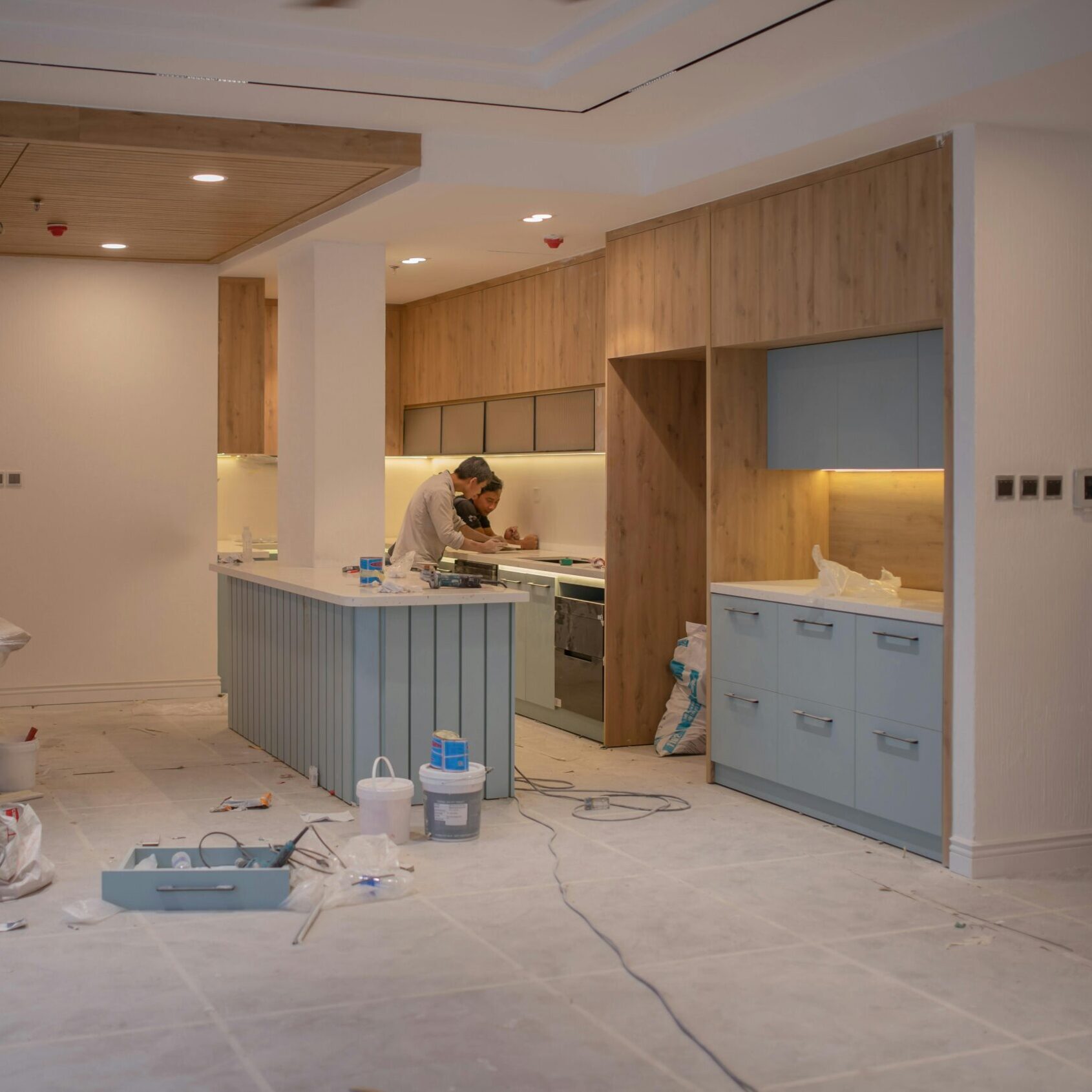
This month, we’re talking about existing homes, refurbs, and why ventilation is becoming an increasingly important consideration when improving a property’s energy efficiency.
With rising energy costs and a bigger focus on sustainability, more homeowners are investing in measures such as replacement windows, improved insulation, and in many cases, heat pumps. These upgrades can make a huge difference to the comfort and efficiency of a home.
However, there’s one thing that often gets overlooked…
You can probably guess what…
Ventilation.
The More Airtight Your Home Becomes, The More Important Ventilation Gets
Many older homes were never designed with modern levels of insulation and airtightness in mind. In fact, a lot of them relied on natural leakage through gaps around doors, windows and the building fabric to provide a certain amount of natural ventilation.
As homeowners make improvements to reduce heat loss, these natural airflow routes often disappear.
The result?
Without adequate ventilation, moisture, pollutants and stale air can become trapped indoors, leading to issues such as:
- Condensation
- Damp and mould
- Poor indoor air quality
- Potential damage to the fabric of the building
This is one of the reasons why recent updates to Approved Document F place greater emphasis on ventilation when energy efficiency measures are carried out.
Ventilation Is Not Just For New Builds
There is a common misconception that ventilation regulations only apply to new homes.
This is not true!
The regulations recognise that significant refurbishment work can have a major impact on how a property performs. If energy efficiency measures reduce the natural airflow within a dwelling, additional ventilation may be required to ensure the property remains healthy and comfortable to live in.
In simple terms:
The more improvements you make to stop air getting out, the more you need to think about how new air can come in.
How New Windows Have An Impact On Ventilation
When we talk about refurbs, we’re not just talking about full top to bottom house renovations.
One of the most common home improvements is replacing old windows.
New windows are excellent at reducing heat loss because they are far more airtight than older units.
If existing windows contain trickle vents, replacement windows should include them too. If they don’t, it’s worth considering how ventilation will be maintained elsewhere within the property.
It’s easy to focus on keeping the warm air in, but new air still needs a route into the home.
What Ventilation Options Are Available?
The right solution will always depend on the property and the level of refurbishment being carried out, but common options include:
👉 Continuous extract systems (dMEV and MEV)
👉 Positive Input Ventilation (PIV)
👉 Mechanical Ventilation with Heat Recovery (MVHR)
Each offers different benefits depending on the property type, occupancy levels and renovation plans.
The important thing is that ventilation is considered alongside energy efficiency improvements, rather than as an afterthought.
The Takeaway
Making homes more energy efficient is the way forward…
But energy efficiency and ventilation should work together, NOT compete against one another.
If you’re improving insulation, replacing windows or carrying out major refurbishment works, it’s worth taking a moment to consider whether your ventilation strategy is still fit for purpose.
Because whilst keeping heat in is important, maintaining a healthy indoor environment is just as valuable.
And let’s be honest… upgrading your ventilation is never a bad idea.
Need help? Email or call the team on 01384 275771

